
Amid global uncertainty and rising energy challenges, India faces a critical juncture. The climate crisis is now a daily reality, affecting communities and economies nationwide. With millions seeking improved livelihoods, the demand for sustainable energy is more urgent than ever.
Rising Energy Demand and New Solutions
India's rapid urban expansion has led to increased demand for electricity, heating, and cooling. Historically, fossil fuels meet most of this need, but their environmental impact is significant. Both government and industry now recognise the importance of transitioning to cleaner, renewable energy sources.
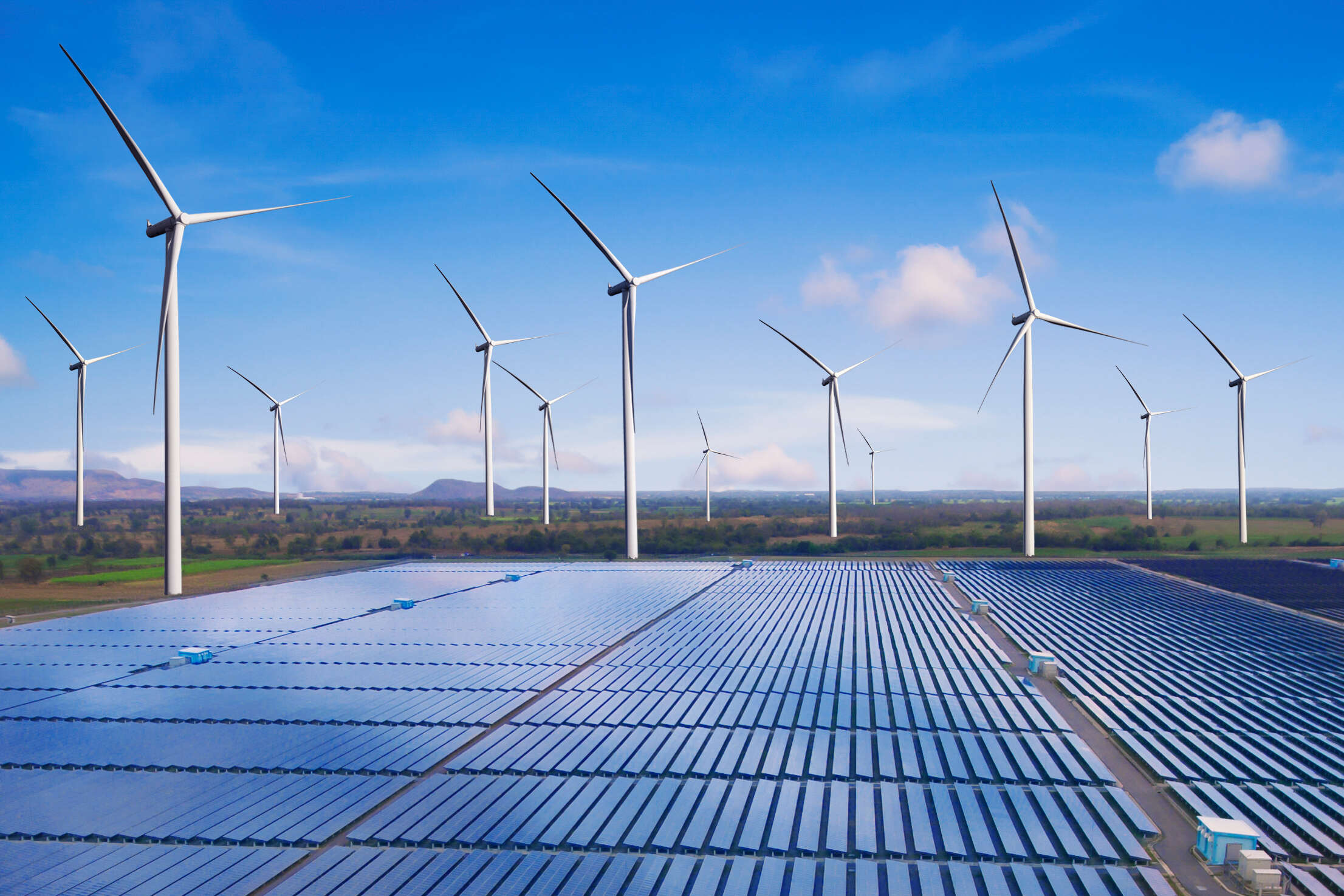
Wind-solar hybrid systems, particularly when paired with advanced battery storage, are central to India's energy transformation. They address rising power needs while reducing pollution and greenhouse gas emissions.
Changing the Face of Industry
Industry drives India's economy, contributing about 17 per cent of GDP and employing over 27 million people. Manufacturing is rapidly adopting digital technologies. To remain competitive, companies must also decarbonise their operations.
Reliable, sustainable energy is essential for this transformation. Industries require power that is both clean and dependable, which traditional renewables cannot always provide due to weather and time constraints.
Overcoming Renewable Energy Challenges
Solar energy peaks at midday, while demand often rises in the evening. Wind is plentiful but unpredictable. Relying on a single source can create supply gaps. Hybrid systems that combine wind, solar, and battery storage are gaining traction, as they help balance the grid and reduce reliance on polluting backup generators.
The Benefits of Wind-Solar Hybrid Systems
Wind-solar hybrids offer several key advantages for industry:
- Continuous Power: By storing excess energy, these systems supply electricity even when solar or wind resources are unavailable, minimizing costly downtime.
- Lower Costs: Reduced reliance on grid electricity and diesel generators protect businesses from price fluctuations and lowers operating expenses.
- Smoother Operations: Stored energy can be used during peak demand, ensuring stable voltage and frequency, which is crucial for sensitive manufacturing equipment.
- A Stronger Grid: Hybrid systems reduce energy waste and enhance overall grid resilience.
Policy Support and Technological Advances
India's government recognized the potential of hybrids through the National Wind-Solar Hybrid Policy in 2018, which encourages co-location of wind and solar projects with battery storage. By 2026, the country has over 4 GW of large-scale hybrid capacity, with additional projects planned.
Combining wind and solar addresses intermittency, as one source often compensates when the other decreases. This results in a steadier, more predictable power supply. Innovations such as floating solar panels on water bodies are further improving efficiency and reliability.
A Sustainable Path Forward
As India navigates an unpredictable future, wind-solar hybrid systems provide a path to a more secure and sustainable industrial sector. They deliver reliable, affordable power and create opportunities for growth and employment. By adopting these solutions, Indian industry can advance both economic progress and environmental stewardship, ensuring a better future for generations to come.
(The article authored by Manan Thakkar - Co-Founder and Managing Director of Prozeal Green Energy Limited)